
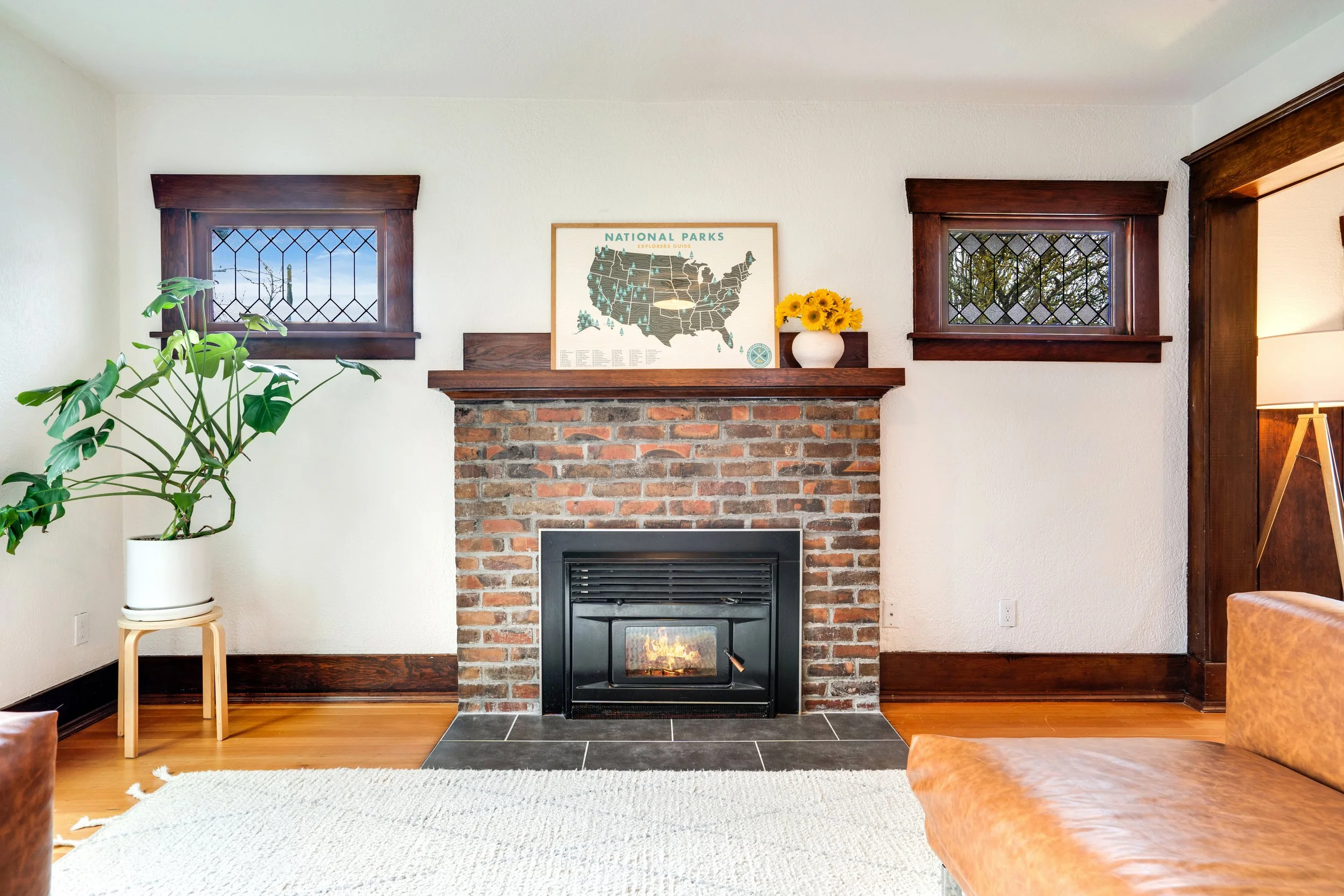
There’s something special about a historic home. Maybe it’s the original wood floors with warmth and character, the built-ins that were crafted by hand, or the architectural details you just don’t see in newer builds anymore. Historic homes have charm, soul, and stories — and for many buyers, that’s exactly the draw.
But house-hunting for an older home is a little different than shopping for new construction or even a typical mid-century property. Along with the charm can come quirks, maintenance needs, and sometimes bigger renovation decisions. That doesn’t mean historic homes are something to avoid — it just means the process works best when you approach it with intention and the right team around you.
If you’re dreaming about owning a historic home, a little preparation can help you step into the process with clear expectations so you can find a place that truly fits your life (and your budget).
Nail Down Your Goals
Before you start touring homes, it’s worth taking some time to get clear about what you actually want from a historic property. There are so many wonderful reasons to invest in one of these special properties (although I may be biased having done this myself!).
First, think about your “why.” What is it about historic homes that draws you in? For some buyers, it’s the craftsmanship and design details that are hard to replicate today. For others, it’s the feeling of living somewhere with history or being part of a neighborhood with deep roots. Understanding what matters most to you will help guide your decisions later when you’re weighing different properties.
Next, think about how much work you’re truly interested in taking on. Historic homes fall across a wide spectrum. Some have been thoughtfully restored and updated over the years, with major updates and renovations already complete. Others may feel untouched since their original era – for better or worse.
Neither option is best, it just matters what is best for you because both require very different mindsets. A fully restored home might cost more upfront but require less immediate work. A fixer could offer an opportunity to build equity and make the home your own, but it may come with more time, energy, and renovation costs along the way. Being honest with yourself about what kind of project you’re ready for is key. Renovating a historic home can be incredibly rewarding, but it’s important to know what you’re signing up for before you fall in love with a place.
Budget is the other big piece of this puzzle. When buying an older home, it’s smart to leave some breathing room in your financial plan. Even well-maintained historic houses can have surprises — aging plumbing, outdated electrical, foundation quirks, or deferred maintenance from previous owners. That doesn’t mean every historic home is a money pit. In fact, many have been lovingly maintained for decades. But building a little flexibility into your budget will help you feel more confident when you move forward.
Build Your Support System
House-hunting for a historic home is much easier — and much less stressful — when you have the right people in your corner. The experience is a unique one, so a knowledgeable and supportive team can make all the difference.
A great place to start is finding a real estate agent who understands historic homes and shares your vision (hi, that’s me! I love this stuff!). Older houses come with their own set of considerations, from common structural issues to the types of renovations that tend to pop up over time. An experienced agent can help you spot potential concerns early and guide you toward homes that align with your goals.
Equally important is working with a lender who understands your financial picture and can help you map out a realistic budget. Historic homes sometimes involve additional renovation costs, and a knowledgeable lender can walk you through your options — whether that’s a traditional mortgage, renovation loan programs, or other financing solutions that support older properties.
And if you’re considering any level of renovation, getting connected with a contractor early can be incredibly helpful. Even if you’re not planning a full remodel right away, having someone you trust to weigh in on potential repairs or upgrades can give you a clearer sense of what you’re looking at when touring homes.
Contractors who regularly work with older houses often have a trained eye for things like aging systems, structural changes, or signs of previous renovations that may need attention. That perspective can help you make decisions with a lot more confidence.
Tour With Intention
House-hunting for historic homes can be seriously fun! Seeing all the vintage details, soaking up the charm, and envisioning your life in one of these spots can feel like a dream come true. The arched doorways, original trim, stained glass windows, clawfoot tubs, and unique floor plans can make it incredibly easy to fall in love the moment you walk through the door.
And honestly, that emotional connection is part of the experience. Historic homes tend to have a personality that newer builds simply don’t. At the same time, it’s important to balance that excitement with a little practicality.
When you’re touring homes, try to keep your bigger goals in mind. If you’ve already decided you’re not looking for a major renovation project, for example, it’s helpful to stay mindful of that when you’re admiring the charm of a house that clearly needs extensive work.
Pay attention to the systems and structural elements that matter most — things like the roof, foundation, plumbing, electrical, and heating systems. These are often the areas where larger costs can come up, especially in older homes.
That doesn’t mean you need to become an expert overnight, but asking thoughtful questions and noticing potential red flags can go a long way – and it’s where your realtor with historic home expertise can help save you a lot of money in the long run.
And remember: you don’t have to make every decision in the moment. The goal of touring is to gather information, get a feel for different properties, and start narrowing down what truly fits your vision.
Final Thoughts
Buying a historic home can be such a special experience – you’re getting to start a new chapter of a home’s story.
With a little preparation, a clear sense of your goals, and the right support system around you, the process can feel far less overwhelming than it might seem at first. Historic homes may come with a few extra considerations, but they also offer something truly unique: character, craftsmanship, and a unique sense of home and history.
Ready to get started? Send me a message or schedule a complimentary consultation to get the ball rolling.